AI Integrations
Bringing ERP, CRM, APIs and messaging channels together in a single AI layer.
Overview
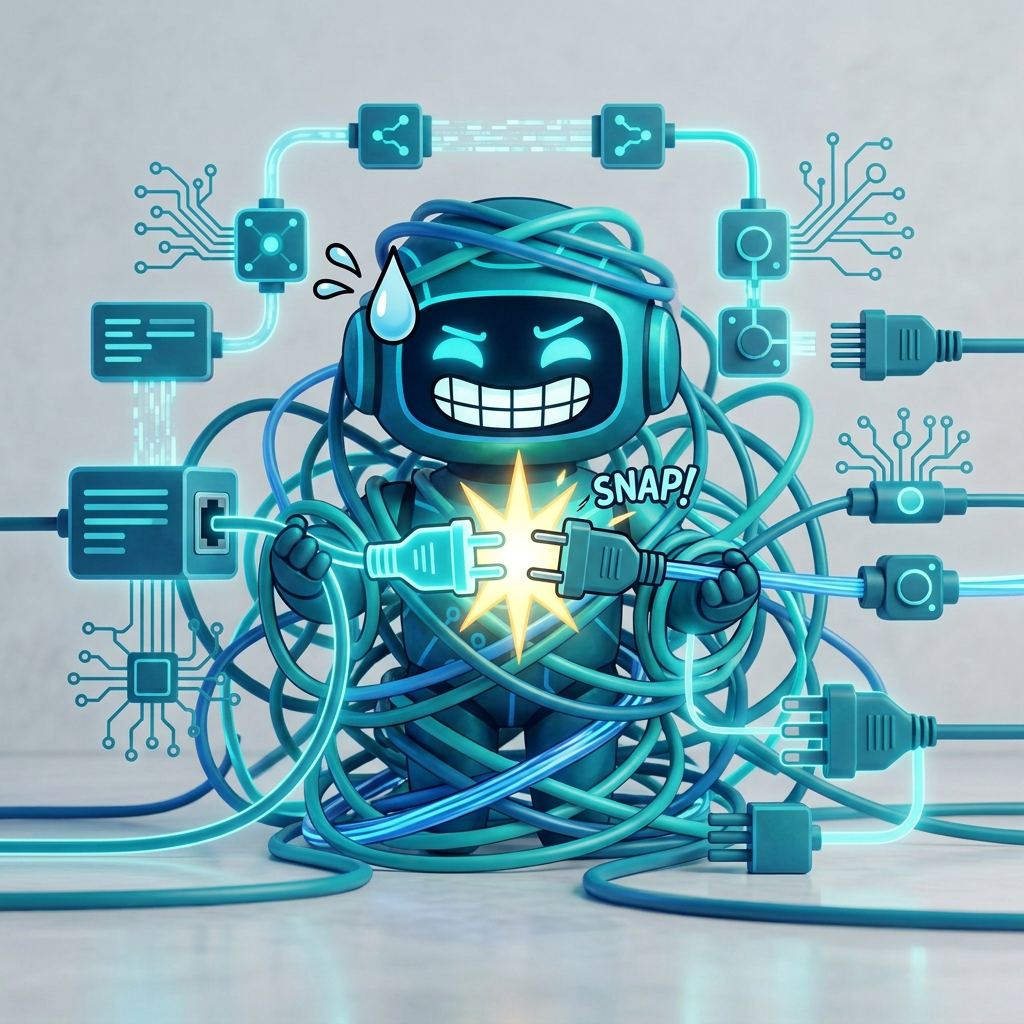
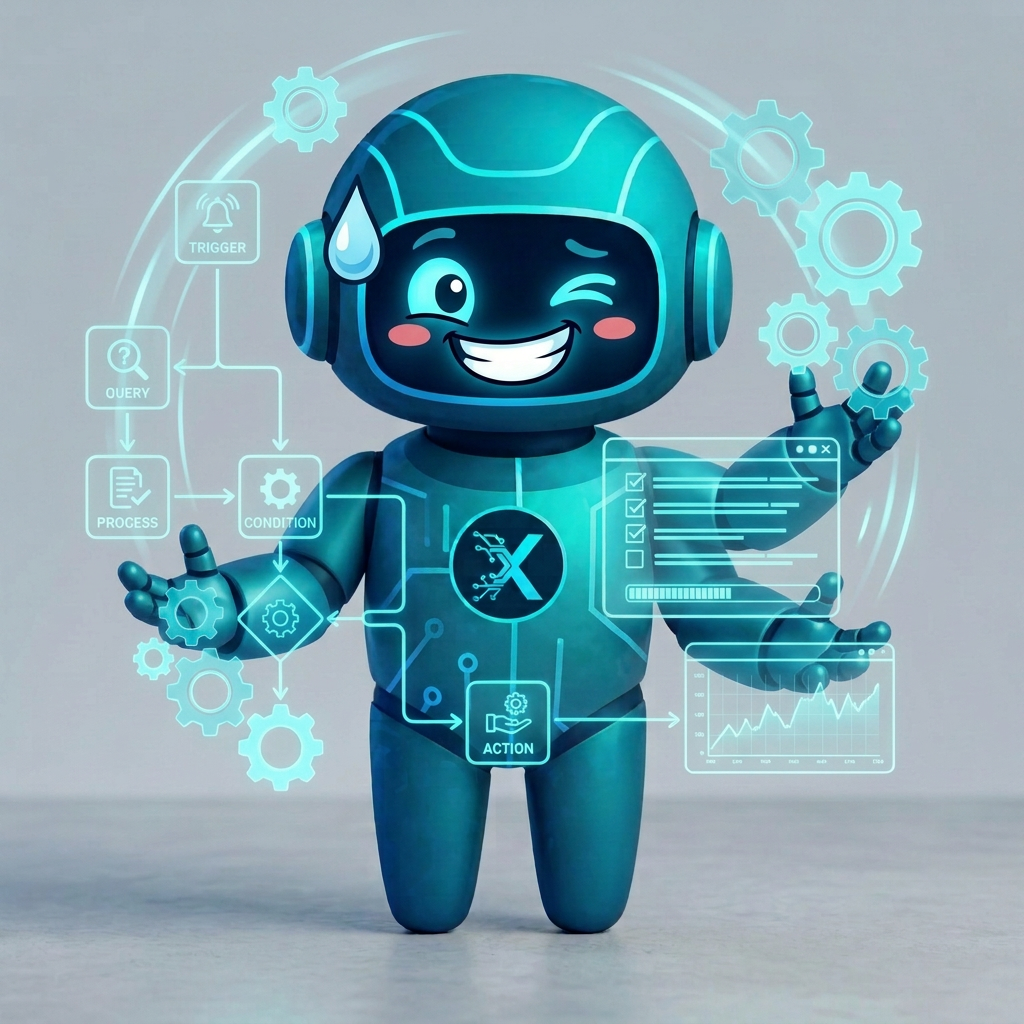
AI only creates value inside a company when it can talk to the systems already in use. The integration layer unifies ERP, CRM, document archives and messaging channels behind one access model.
Connections separate read and write scopes; every request passes an authorisation check and is logged.
Benefits
- Natural-language access to ERP and CRM data
- Usage through WhatsApp and Telegram
- API / MCP based connectivity layer
What you get
- Process analysis and implementation roadmap
- Integration and permission setup
- Live system with monitoring and logging
- Team training and usage documentation
- Post-launch support and improvement cycle
What can you do with it?
The scenarios we deploy most often with this solution:
Querying ERP reports in natural language
Summarising CRM records and suggesting follow-ups
Giving field teams access through WhatsApp
Connecting bespoke internal systems via API
How we work
A four-step model from discovery to go-live and continuous improvement.
- 01
Discovery & prioritisation
We map your processes together and pick the highest-return scenarios.
- 02
Architecture & integration
Data sources, permissions and the deployment model (cloud / on-premise) are defined.
- 03
Pilot & go-live
A scoped pilot starts, results are measured and usage is rolled out.
- 04
Improvement & support
Usage data drives new scenarios; monitoring, updates and support continue.
Frequently asked questions
- What is enterprise AI integration?
- It is the secure connection of AI to existing business software such as ERP, CRM, document systems and messaging channels. The goal is authorised access, not data migration.
- Do we have to replace our current software?
- No. The integration is built as an access layer on top of your existing systems.
Let's discuss your scenario
In a 30-minute call we listen to your process and outline an actionable plan.